



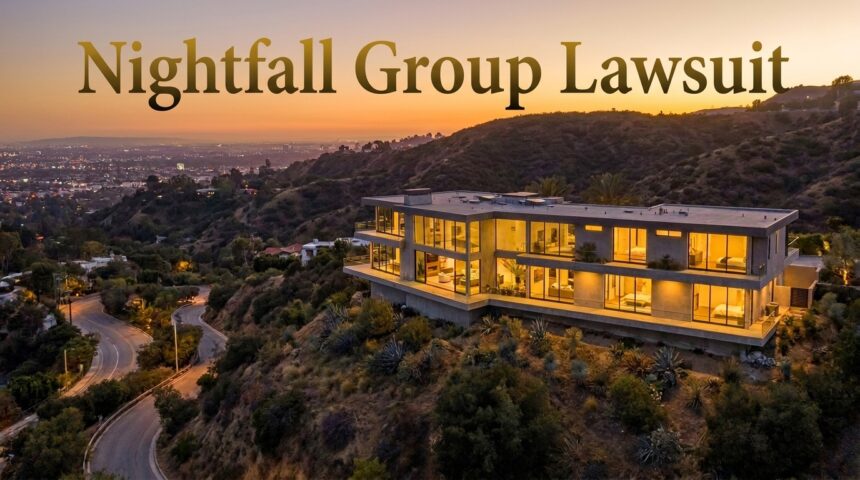
The Nightfall Group lawsuit is a case that a lot of people are searching for without knowing exactly what it is. Here’s the short version: the Los Angeles City Attorney sued a luxury short-term rental company called Ultimate Host, LLC, which does business as The Nightfall Group, along with its founder Mokhtar Jabli and several property owners.
- Who Is the Nightfall Group and Who Is Mokhtar Jabli
- Why Did Los Angeles Sue the Nightfall Group
- The Short-Term Rental Ordinance problem
- The party house complaints
- Rent-stabilized units taken off the market
- Case No. 23STCV19069, Explained
- Timeline of the Nightfall Group Lawsuit
- The September 2025 Settlement
- The Franklin Apartments Settlement
- Other Lawsuits Tied to the Nightfall Group
- Is the Nightfall Group Lawsuit a Class Action
- Myth vs Fact
- What This Means If You Own, Rent, or Book a Property Like This
- Is the Nightfall Group Still Operating
- Frequently Asked Questions
- Final Thoughts
The city says Nightfall turned private homes into unlicensed party rentals, and it wants penalties and a court order to stop it. This isn’t a class action, and there’s no payout for the public to claim. It matters because it shows what actually happens when a city decides to crack down on a short-term rental company that ignores local rules.
If you’re a property owner thinking about leasing to a company like this, a host trying to stay on the right side of the law, or just someone who saw a scary headline, this article walks through exactly what’s been alleged, what’s been settled, and what’s still up in the air.
Who Is the Nightfall Group and Who Is Mokhtar Jabli
The Nightfall Group built its name on luxury. Think private Hollywood Hills mansions, a chef on call, maybe a sports car parked out front, all rented out like a five-star hotel experience for guests willing to pay top dollar.

The company behind that brand is Ultimate Host, LLC, a Beverly Hills based business founded by Mokhtar Jabli. Jabli started small. According to the Los Angeles Business Journal, he got his start renting an apartment and living in his car to make the numbers work, then scaled that idea into a company managing a large portfolio of high-end properties.
Here’s the part that matters for this lawsuit. Nightfall didn’t own most of these homes. It signed long-term leases with the actual owners, then re-rented those same homes to guests on a nightly basis, with some listings reportedly priced as high as $16,000 a night. That gap between what Nightfall paid the owner and what it charged guests was the business model.
This approach is sometimes called rental arbitrage, meaning you lease a place long-term and then sublease it short-term for a profit. On its own, that’s not automatically illegal. What got Nightfall sued is how the company allegedly did it, and what happened at these properties once the guests arrived.
Why Did Los Angeles Sue the Nightfall Group
Los Angeles sued Ultimate Host, LLC and Mokhtar Jabli for allegedly running dozens of properties as illegal short-term rentals that generated over 250 police calls in two years, violating the city’s Short-Term Rental Ordinance and Party House Ordinance.
Los Angeles has rules built specifically to stop exactly what the city says Nightfall was doing. Here’s what those rules say, and how Nightfall allegedly broke them.
The Short-Term Rental Ordinance problem
Under LA’s Home-Sharing Ordinance, you can only rent out one property short-term at a time, and it has to be the place you actually live for at least six months a year. The city calls this your primary residence.
You also have to register with the city and post your registration number on every listing. The official Home-Sharing Program page explains this requirement in plain terms: hosts must register and display that number on all advertisements.
The City Attorney’s complaint alleges Nightfall was managing a large portfolio of properties, none of them anyone’s actual home, many without valid registration. If true, that’s not a gray area. That’s the exact thing the ordinance was written to stop.
The party house complaints
This is the part that made headlines. In its filing announcement, the City Attorney’s office said the complaint alleges Nightfall’s properties brought excessive noise, traffic, obstructed streets, service of alcohol to minors, fights, vandalism, and litter to residential neighborhoods.
Two Hollywood Hills residents described a party so loud it made their house shake, with their own driveway blocked by guest traffic when they tried to leave. Reporting from The Real Deal noted police even gave a nickname, “party cars,” to the patrol units regularly assigned to handle Nightfall calls.
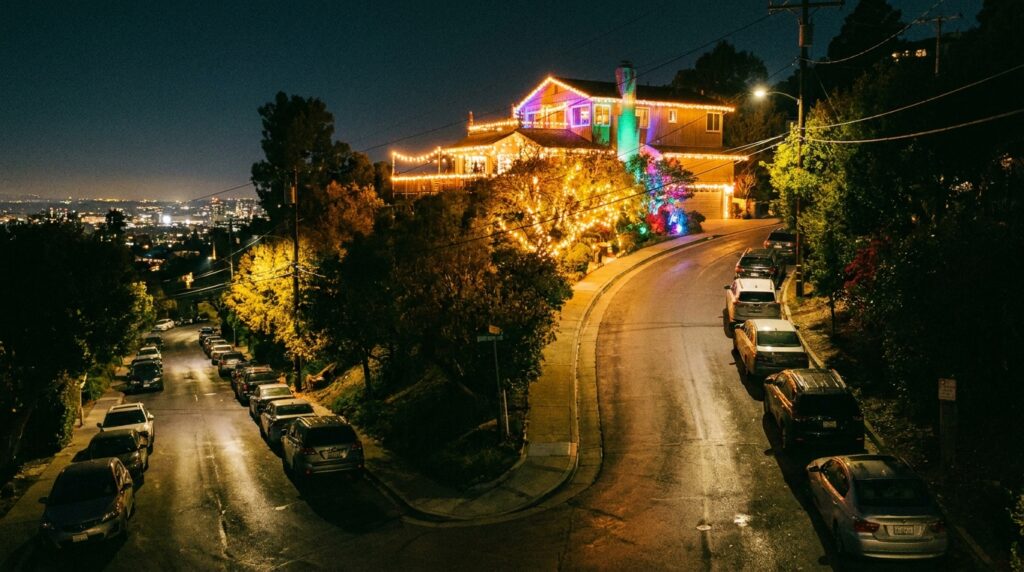
One property on Hopen Place was reportedly the target of 31 separate police calls in just two years. Across all the properties named, the city says LAPD responded to more than 250 complaints between 2021 and 2023.
Picture this. You live next door to a home that’s supposed to be a quiet single-family house. Instead, every few weeks a different group of strangers shows up for a weekend of loud music and packed driveways. That’s the exact situation LA’s Party House Ordinance was built to address, and it’s the core of the city’s complaint here.
Rent-stabilized units taken off the market
Some of the properties tied to this case were subject to LA’s Rent Stabilization Ordinance, commonly called the RSO. This is the law that protects long-term tenants and limits how those units can be used, and it’s specific to Los Angeles and a handful of other California cities. If you’re reading this from outside California, your city’s rules will likely look different, so don’t assume this section applies to you directly.
Converting an RSO-protected unit into a nightly rental doesn’t just bend a rule. It pulls a home out of the long-term housing supply in a city already short on affordable places to live. That’s why city officials framed part of this case as a housing issue, not just a noise problem.
Case No. 23STCV19069, Explained
Case No. 23STCV19069, formally titled The People of the State of California vs. Ultimate Host, LLC, is the civil lawsuit the Los Angeles City Attorney filed against Nightfall in August 2023, seeking penalties and a court order to stop the alleged violations.
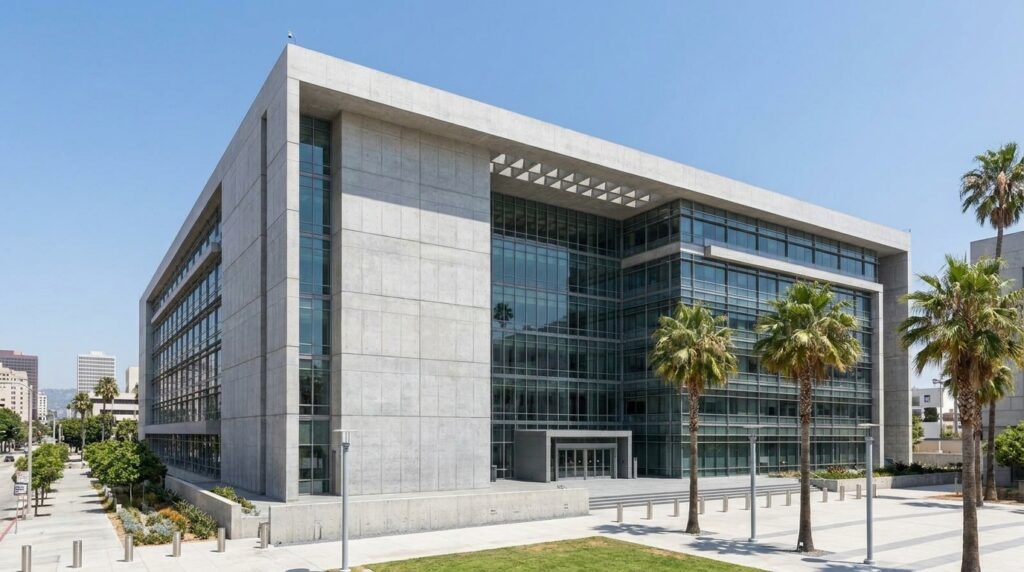
The case was filed in Los Angeles Superior Court on August 15, 2023. Named defendants include Ultimate Host, LLC, Mokhtar Jabli individually, and property owners including Kirill “Kirk” Ayzenberg, 5554 Green Oak, LLC, and Jungle Kerry, Inc.
City Attorney Hydee Feldstein Soto, the first woman to hold that office in Los Angeles history, is pursuing the case through a division called the Public Rights Branch. That’s a team built specifically for consumer protection and nuisance cases, not criminal prosecutions. This is a civil case, not a criminal one, which means the goal is penalties and court orders, not jail time.
The city is asking for two main things. First, an injunction, which is a court order telling Nightfall and the property owners to stop the violations. Second, civil penalties of up to $2,500 for each violation, which given the number of properties and the length of time involved, could add up fast.
Timeline of the Nightfall Group Lawsuit
Here’s how the case has unfolded so far.
2018: Mokhtar Jabli founds The Nightfall Group, according to reporting from the Los Angeles Business Journal.
2021 to 2023: LAPD responds to more than 250 complaint calls at Nightfall-associated properties in the Hollywood Hills area.
2022 to 2023: Several business partners and investors file separate lawsuits against Ultimate Host and Jabli over development and leasing disputes.
August 15, 2023: The LA City Attorney files Case No. 23STCV19069 against Ultimate Host, LLC, Jabli, and named property owners.
January 2024: Staging company Vesta Homes sues Nightfall for more than $116,000 in unpaid bills.
September 2, 2025: Three property-owner defendants settle for a combined $280,000. Litigation against Jabli and Ultimate Host, LLC continues.
2026: The case against the primary defendants remains open. No final judgment has been reported against Jabli or Ultimate Host, LLC as of this writing.
The September 2025 Settlement
On September 2, 2025, the City Attorney’s office announced that three defendants had reached settlements. Here’s the breakdown.
Kirill “Kirk” Ayzenberg, individually and as trustee of the Gabriel Mark Trust, agreed to pay $215,000. 5554 Green Oak, LLC agreed to pay $45,000. Jungle Kerry, Inc. agreed to pay $20,000. Combined, that’s $280,000 in civil penalties.
Money wasn’t the only part of the deal. The settling defendants also agreed to a permanent ban on any short-term rental activity that doesn’t fully follow the Home-Sharing Ordinance, and they’re required to tell guests in writing that loud or unruly parties aren’t allowed.
There’s a housing angle here too. The settlements resulted in at least 10 rent-stabilized units going back onto the long-term rental market, which was one of the city’s stated goals from the start.
None of the settling defendants admitted wrongdoing. That’s typical in civil settlements like this one, so don’t read a settlement as an admission of guilt.
Here’s the detail that a lot of shorter articles skip. This settlement only resolved the claims against three property owners. The lawsuit against Mokhtar Jabli and Ultimate Host, LLC itself, the main defendants, is still active. If you’re searching this topic because you want to know whether the case is over, the answer is no, not yet.
The Franklin Apartments Settlement
Around the same time as the Nightfall enforcement push, the city reached a separate but related settlement involving the Franklin Apartments on Franklin Avenue. That property was owned or managed by MC Pico Properties, LLC and Monem Corporation.
According to reporting on the case, roughly a third of the building’s units, a rent-stabilized property, had allegedly been converted into short-term rentals starting in late 2020. The settlement reportedly included $150,000 in civil penalties and a requirement to return those units to the long-term rental market.
Combined with the Nightfall settlement, city officials pointed to at least 10 rent-stabilized units restored to LA’s housing stock as a direct result of this enforcement effort. As with any settlement reported secondhand rather than pulled directly from a court docket, treat the exact Franklin Apartments penalty figure as a reported number rather than one this article independently verified against the filing itself.
Other Lawsuits Tied to the Nightfall Group
The main city lawsuit isn’t the only legal trouble connected to Nightfall. A few related cases show up in search results too, and it helps to know how they’re different.
The Vesta Homes non-payment suit
In January 2024, Vesta Homes filed suit against Nightfall in Los Angeles Superior Court. Vesta is a staging and design company that prepares luxury homes, and it alleged Nightfall never paid for staging services and a furniture lease agreement dating back to 2019.
The bill came to more than $116,000. The complaint stated plainly that no part of that sum had been paid despite repeated demand for payment. This is a private contract dispute between two businesses, separate from the city’s case, but it adds to the picture of a company facing legal pressure on multiple fronts.
Investor and partner lawsuits
Before the city ever got involved, several of Nightfall’s own business partners and investors, reportedly around seven separate suits in total, had already filed claims against the company and Jabli, generally alleging breach of contract or fraud connected to leasing and development deals. These predate the City Attorney’s case by about a year, and they paint a picture of a company that was already fielding legal pressure from its own business relationships before regulators got involved.
The separate Miami Beach case
You may come across a lawsuit connected to a property at 1776 Bay Drive in Miami Beach, also tied to the Nightfall name. This is a completely separate case, filed by the City of Miami Beach, in a different state, under different laws. It shouldn’t be confused with the Los Angeles case described in this article, even though both involve the same company name.
Is the Nightfall Group Lawsuit a Class Action
No, the Nightfall Group lawsuit is not a class action. It’s a civil enforcement case brought by the Los Angeles City Attorney, not a group of consumers, so there’s no settlement fund, no claim form, and no payout for the public to apply for.
This is worth spelling out because it’s genuinely the most common point of confusion around this search term. The plaintiff here is the government, specifically the City of Los Angeles, suing on behalf of the public interest, not a class of harmed consumers suing for damages.
You may have also seen articles online describing a “Nightfall Group lawsuit” tied to debt collection practices, with claim deadlines and payout calculators. That’s describing a different company or is simply mismatched to the wrong entity. It has nothing to do with the Los Angeles short-term rental case covered here, so don’t file a claim based on that kind of article expecting it to connect to this case. If you want a general sense of how to tell a legitimate class action from a page that’s stretching the truth, this breakdown of class action lawsuits with no real basis walks through the warning signs.
If you personally had a bad experience booking through Nightfall, a listing that didn’t match what was advertised or unexpected charges, that’s a separate, individual issue. You’d typically start by disputing the charge with your card company, and you could also file a complaint with the California Attorney General’s office or speak with a consumer protection attorney about your specific situation. None of that runs through the city’s case against Nightfall.
Myth vs Fact
Myth 1: The Nightfall Group lawsuit is a class action, and I can file a claim for money.
Fact: This is a government enforcement case brought by the Los Angeles City Attorney, not a private class action. There is no claim form and no settlement fund open to the public.
Myth 2: Since three defendants settled, the whole case is closed.
Fact: Only three property-owner defendants settled in September 2025. The case against the main company, Ultimate Host, LLC, and its founder Mokhtar Jabli, was still active as of this writing.
Myth 3: Any article that says “Nightfall Group lawsuit” is talking about the same case.
Fact: At least one unrelated case, involving a Miami Beach property and possibly a mismatched debt-collection story, also shows up under similar search terms. Always check the specific parties and court named before assuming two articles are describing the same lawsuit.
What This Means If You Own, Rent, or Book a Property Like This
If you’re a property owner
Say a homeowner in the Hollywood Hills gets approached by a management company offering a guaranteed monthly lease payment, well above what a typical long-term tenant would pay. It sounds great on paper. But this case shows that owners can be named personally in a lawsuit even when they weren’t the ones running the day-to-day rentals.
Before signing a lease like that, ask for the operator’s actual city Home-Sharing registration number and check it yourself. Get written confirmation that the property will be used in a way that complies with local short-term rental rules. This advice is specific to Los Angeles and California cities with similar ordinances. If you’re in another state, check with a local attorney, since short-term rental laws vary widely from city to city.
If you’re a short-term rental host
The pattern described in the city’s complaint, moving a flagged listing to a new account or a different name, is exactly the kind of behavior enforcement teams now watch for. Keeping your registration current and staying under the rules costs a lot less than the alternative.
If you’re a guest
Picture booking a luxury villa for a milestone birthday, only to find out later the property wasn’t actually a legal short-term rental. Before you book anything, especially high-end listings, ask for the host’s city registration number and check it against the official registry. A polished listing photo doesn’t mean the rental is legal.
Is the Nightfall Group Still Operating
As of this writing, litigation against Mokhtar Jabli and Ultimate Host, LLC remains active, and no final judgment has been reported. Whether any specific property is still being rented out is something that can change quickly given the ongoing enforcement. If you’re evaluating a current listing connected to this company, verify its registration status directly rather than relying on older news coverage.
Frequently Asked Questions
1. What is the Nightfall Group lawsuit?
Ans: It’s a civil enforcement case filed by the Los Angeles City Attorney against Ultimate Host, LLC, doing business as The Nightfall Group, founder Mokhtar Jabli, and several property owners, alleging illegal short-term rentals and party house violations.
2. Who is Mokhtar Jabli?
Ans: He’s the founder and owner of Ultimate Host, LLC, the company behind The Nightfall Group brand, and he’s named individually as a defendant in the Los Angeles case.
3. Is the Nightfall Group lawsuit a class action?
Ans: No. It’s a government enforcement action brought by the City of Los Angeles, not a class action, so there’s no settlement fund or claim form for the public.
4. Did the Nightfall Group settle the lawsuit?
Ans: Three property-owner defendants settled in September 2025 for a combined $280,000. The case against Jabli and Ultimate Host, LLC itself remained active as of this writing.
5. Is the Nightfall Group still operating?
Ans: As of 2026, litigation is ongoing against the primary defendants with no final judgment reported. Check current registration status directly before booking any specific property.
6. How many police calls were made to Nightfall properties?
Ans: The city’s complaint alleges more than 250 LAPD calls to Nightfall-associated properties over a two-year period, with one address alone reportedly generating at least 31 calls.
7. What is the Los Angeles Party House Ordinance?
Ans: It’s a city law aimed at properties that generate repeated nuisance complaints like excessive noise, traffic, and disturbances, and it’s one of the two ordinances at the center of this case.
8. What did Vesta Homes sue the Nightfall Group for?
Ans: Vesta Homes, a staging and design company, sued in January 2024 for more than $116,000 in unpaid staging and furniture-lease bills dating back to 2019.
Final Thoughts
The Nightfall Group lawsuit is a reminder that even a polished, high-end brand can run into serious legal trouble when it ignores local rules built to protect neighborhoods and housing supply. The city has already collected $280,000 from three defendants, secured the return of rent-stabilized housing, and the bigger part of the case, against the company and its founder, is still working its way through court.
If you’re dealing with a similar situation, whether as a property owner, a renter, or someone weighing a short-term rental booking, the details matter, and general articles like this one can only take you so far. A licensed attorney who knows your local ordinances can tell you exactly where you stand, and it’s worth knowing what separates a good attorney from a bad one before you hire someone to help.
This article provides general information only and is not legal advice. Laws vary by state and change over time. Do not rely on this content as a substitute for advice from a qualified, licensed attorney in your jurisdiction. For guidance on your specific situation, consult a licensed attorney directly.

Dirk Wasserthal is the Founder and Lead Writer of LegalDiaries.com, an independent legal information platform. He specializes in Mass Torts, Women’s Rights, and emerging legal issues, delivering clear, well-researched, and trustworthy content across Criminal Law, Family Law, Personal Injury, and more. Dirk’s mission is simple — make the law understandable for everyone.