



Is it legal to drive with headphones? It’s a question millions of American drivers ask every day as they slip on their AirPods before hitting the road. The answer, however, isn’t as simple as a yes or no.
- The Short Answer: Is It Legal to Drive With Headphones?
- Headphone Driving Laws in the United States (2026 Update)
- International Laws on Driving with Headphones
- Why Driving with Headphones Is Dangerous (Even If Legal)
- What Happens If You Get in an Accident While Wearing Headphones?
- Penalties and Legal Consequences
- Bone-Conduction and Open-Ear Headphones: The Smart Modern Alternative
- Best Practices and Safer Audio Alternatives While Driving
- Special Considerations: Motorcycles, Bicycles, Deaf Drivers & Hearing Aids
- Future Trends and Potential Law Changes in 2026+
- FAQ: Is It Legal to Drive with Headphones?
- Conclusion: Safety Always Comes First
Driving with headphones is a common habit especially with the rise of wireless earbuds and hands-free calling. But the legality varies dramatically depending on where you live. There is no federal law prohibiting headphone use while driving–. Instead, each state has its own rules, creating a confusing patchwork of regulations that every driver needs to understand.
In this comprehensive guide, we’ll break down every state’s headphone driving laws, explain the safety risks backed by research, outline penalties and fines, and answer the most common questions drivers have about wearing earbuds behind the wheel.
Whether you’re a daily commuter, a road trip enthusiast, or just someone who likes listening to podcasts on the go, this guide will help you stay legal and safe on the road.
The Short Answer: Is It Legal to Drive With Headphones?
The short answer is: it depends on your state.
State laws fall into three main categories:
- Complete Ban – Driving with headphones is illegal in virtually all circumstances.
- Restricted Use – Some headphone use is allowed, typically with one ear or for specific purposes like phone calls.
- No Specific Law – There is no explicit ban, but general distracted driving laws may still apply.
Headphone Driving Laws in the United States (2026 Update)
Is it legal to drive with headphones in America? There is no federal law banning them. Regulation is left to individual states, focusing primarily on devices that cover or insert into both ears, which can block critical ambient sounds like emergency sirens, horns, and other road hazards. This variation creates confusion for drivers who travel between states or rely on audio for entertainment and productivity.
The core concern behind most laws is maintaining situational awareness. When both ears are covered, drivers may miss important auditory cues that are essential for safe operation of a vehicle. As of 2026, enforcement has tightened in many areas due to rising distracted driving statistics and improved police training on technology-related violations.
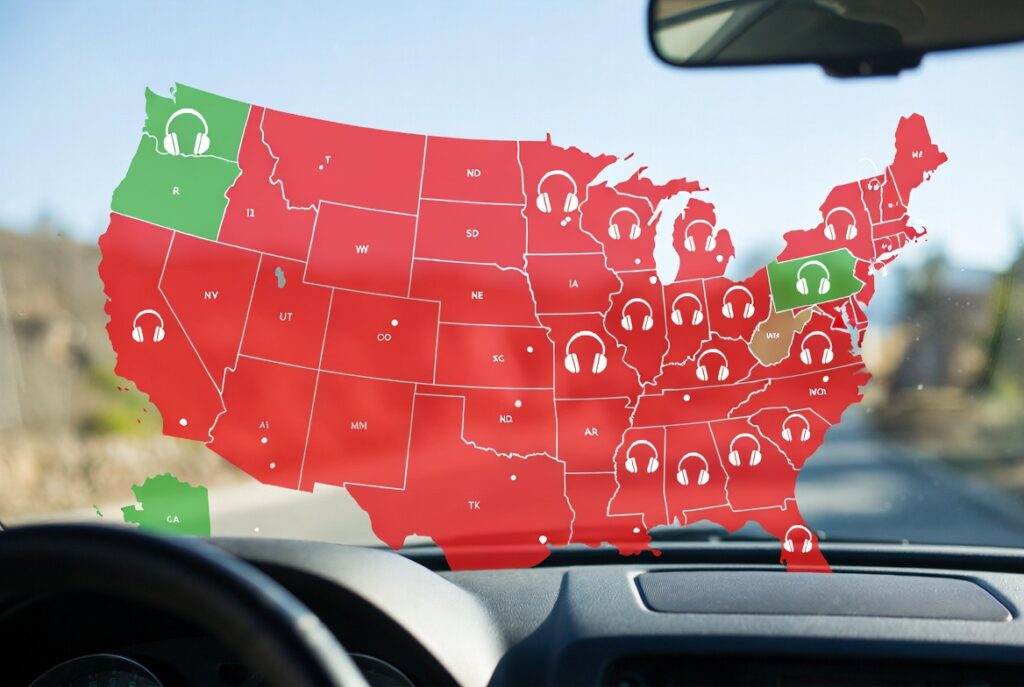
Here’s a detailed state-by-state breakdown in table format for easy reference:
| State | Status | Key Details & Penalties |
| California | Both ears prohibited | Vehicle Code 27400. One earbud allowed for calls. Fine starts ~$100+, possible points on license. Applies to cars, motorcycles, and bicycles. |
| Florida | Restricted | One ear only (Florida Statute 316.304). Primary offense in many counties. Fines $100–$200. |
| Maryland | Both ears illegal | Strict enforcement, fines start at $100+. Can lead to moving violation. |
| Minnesota | Both ears illegal | No dual-ear headphones or earbuds. |
| Virginia | Both ears prohibited | Applies to all vehicles including motorcycles and mopeds. |
| Washington | Both ears prohibited | Fines from $145+ and potential license points. |
| New York | Restricted | One earbud generally OK, but context matters. |
| Illinois | Restricted | One ear allowed; both ears can trigger distracted driving citations. |
| Ohio | Restricted | Hands-free exceptions common but limited. |
| Georgia | Restricted | Influenced by Hands-Free Georgia Act. Fines escalate: $50 first offense, up to $150+. |
| Louisiana, Alaska, Colorado, Massachusetts, Pennsylvania, Rhode Island, and others | Restricted/Varies | One-ear rules are standard. Fines typically $50–$250. |
States Where It Is Generally Legal (No Specific Headphone Ban): Alabama, Arizona, Arkansas, Connecticut, Delaware, Hawaii, Idaho, Indiana, Iowa, Kansas, Kentucky, Michigan, Mississippi, Missouri, Montana, Nebraska, Nevada, New Hampshire, New Jersey, New Mexico, North Carolina, North Dakota, Oklahoma, Oregon, South Carolina, South Dakota, Tennessee, Texas, Utah, Vermont, West Virginia, Wisconsin, Wyoming, and approximately 30+ others. In these states, there is no dedicated statute targeting headphones specifically.
Important Caveat and Key Takeaway: Even in legal states like Texas, you can still be cited under general distracted driving or careless driving statutes if an officer believes headphones impaired your awareness or contributed to unsafe operation. This “fallback” enforcement is common nationwide and can result in tickets, insurance rate increases, and points on your driving record. Always prioritize safety over convenience.
Related vehicle regulations on our site: If you’re exploring other state-specific driving rules, check our in-depth guides on Florida tint laws and Texas tint laws. For California-specific traffic questions, see Is jaywalking legal in California?. These resources provide additional context on vehicle equipment and road rules that often overlap with headphone regulations.
International Laws on Driving with Headphones
Driving laws outside the United States are often more restrictive, reflecting a global emphasis on maintaining full sensory awareness behind the wheel.
- United Kingdom: Not explicitly illegal, but Highway Code Rule 148 strongly discourages anything that prevents you from hearing the road. Violations can lead to “careless driving” or “dangerous driving” charges, with penalties reaching £5,000 fines and up to 11 license points.
- France: Strict nationwide ban on ear devices for music or calls since 2015. Offenders face immediate fines and license points.
- Australia: Generally permitted but can result in careless or dangerous driving penalties depending on the state or territory.
- Canada: Rules vary by province, but distracted driving legislation in places like Ontario and British Columbia often covers headphone use.
- Other EU Countries: Many fall under broader EU distraction rules that emphasize the need to hear emergency vehicles and surroundings.
Pro Advice for Travelers: Always research local regulations thoroughly before driving abroad or renting vehicles internationally. Ignorance of the law is rarely accepted as a defense, and rental companies may not fully inform you of these restrictions.
This international perspective highlights how the U.S. approach is relatively lenient in many states compared to other developed nations, yet safety concerns remain universal.
Why Driving with Headphones Is Dangerous (Even If Legal)
Is it legal to drive with headphones does not mean it’s a safe practice. The primary issue is auditory isolation completely or partially blocking your ability to hear important environmental sounds.
Major Risks Explained in Detail:
- Missed Emergency Cues: Sirens from police, fire trucks, or ambulances become difficult or impossible to detect in time.
- Delayed Reaction Times: Multiple studies indicate that blocked hearing leads to slower responses to visual and auditory hazards.
- Inattentional Blindness: Your brain may overlook obvious visual dangers when heavily focused on audio content.
- Reduced Situational Awareness: This compounds with other distractions like navigation or passenger conversations.
- Higher Crash Likelihood: Distracted driving, including audio-related distractions, plays a role in a significant percentage of accidents.
The National Highway Traffic Safety Administration (NHTSA) reports that distracted driving contributed to thousands of fatalities and hundreds of thousands of injuries in recent years. While exact statistics specifically tied to headphones are limited (as they are often categorized under general distraction), experts agree that any device reducing hearing capability increases risk substantially.
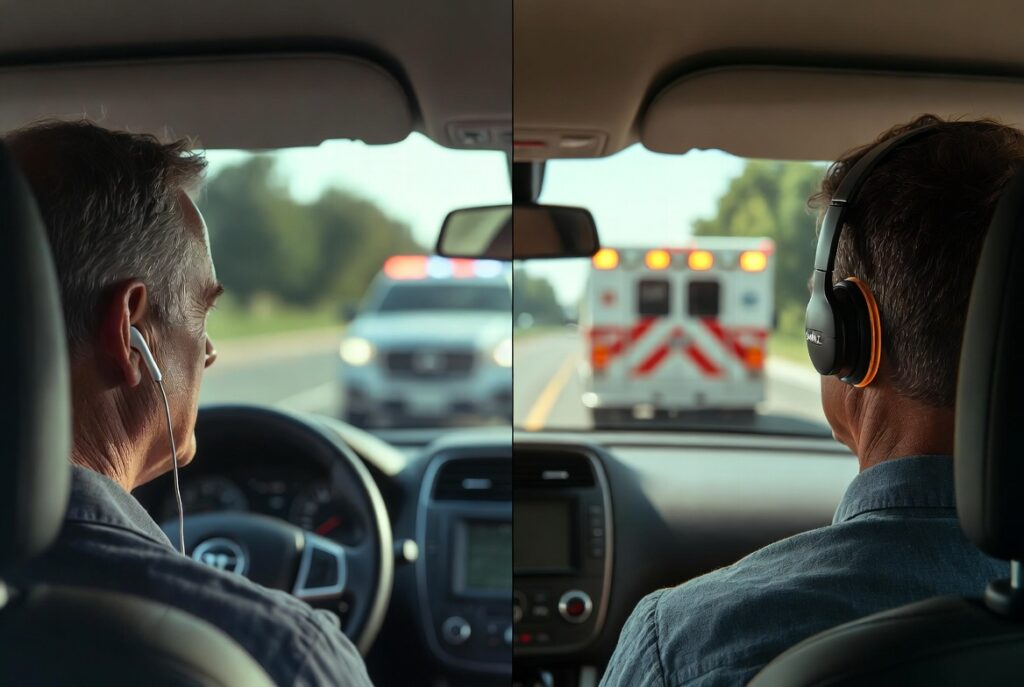
Real-World Example: Imagine cruising on the highway with noise-canceling headphones on. An ambulance approaches from behind with lights and sirens. Without clear audio cues, you might not react promptly, leading to a preventable incident. Even if no ticket is issued for the headphones themselves, their use can be cited as a contributing factor in accident reports and insurance investigations.
What Happens If You Get in an Accident While Wearing Headphones?
This section addresses one of the most critical yet often overlooked aspects of the topic. Headphone use during an accident can have serious legal and financial repercussions.
- Negligence Evidence: Courts and insurance adjusters may view both-ear headphone use as a breach of the duty to operate a vehicle safely.
- Comparative Fault: In states using comparative negligence rules, your recovery in a lawsuit could be reduced proportionally to your perceived fault.
- “Negligence Per Se” Arguments: In jurisdictions with specific headphone bans, violation of the statute can automatically support a negligence claim.
- Insurance Implications: Premiums may rise, claims could face delays or denials, and at-fault determinations become more likely.
Detailed Case Example: In states like New Jersey or Georgia, personal injury attorneys have successfully used evidence of headphone use to argue distraction, resulting in lower settlements for the at-fault driver or higher compensation for injured parties. Similar patterns appear in California cases involving Vehicle Code violations.
For broader legal context on items permitted while driving, see our article on defensive weapons that’s legal to carry in Texas in 2025.
Penalties and Legal Consequences
Penalties vary but generally include fines from $50 to $250+, license points, and potential court appearances. Repeat offenses or accidents amplify consequences, including higher insurance costs and possible suspension of driving privileges.
External Authoritative Sources:
Bone-Conduction and Open-Ear Headphones: The Smart Modern Alternative
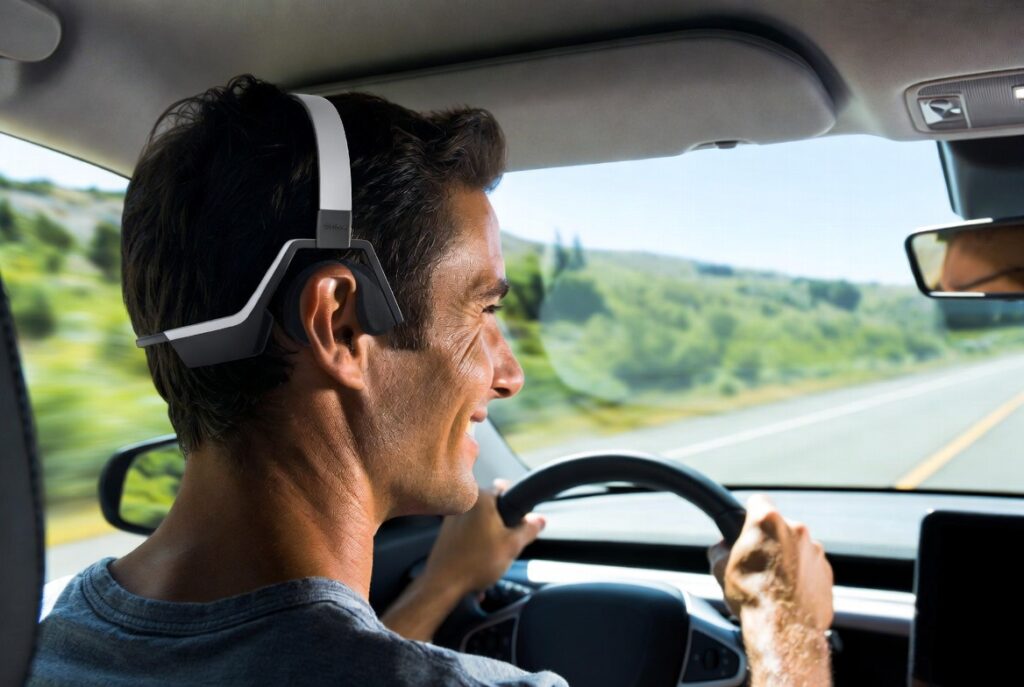
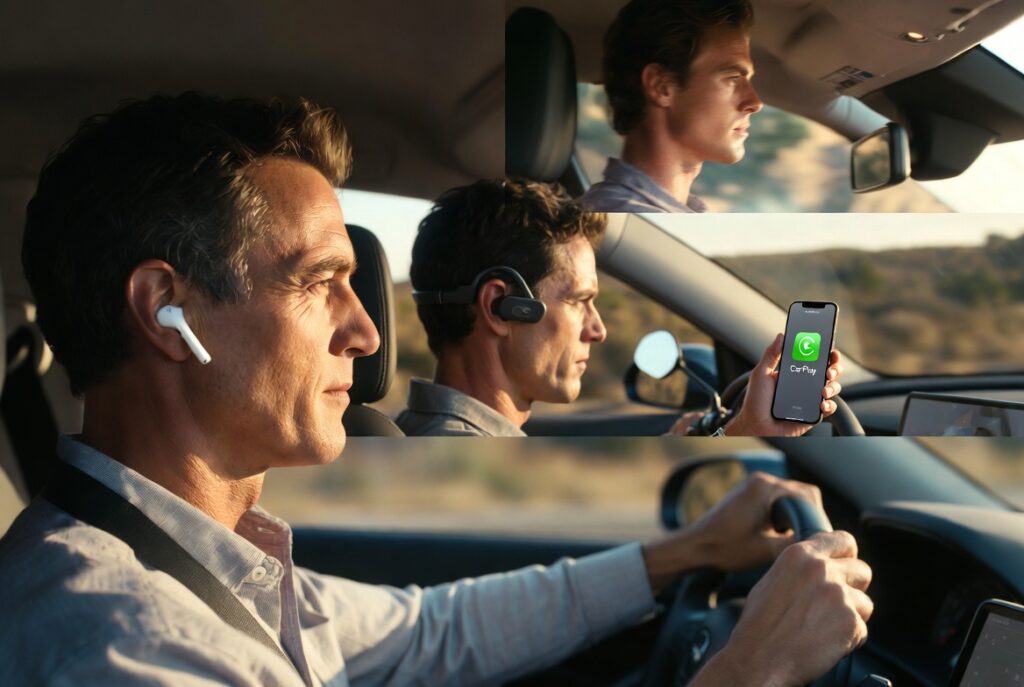
Most competitor articles barely touch on this rapidly growing technology. Bone-conduction headphones (popular brands like Shokz) transmit sound through vibrations in your cheekbones, leaving ear canals open for full ambient awareness.
Benefits in Depth:
- Superior safety through preserved hearing.
- Often viewed more favorably by law enforcement.
- Excellent sound quality for calls, music, and podcasts without isolation.
- Popular among cyclists, runners, and professional drivers.
Comparison Table:
| Type | Ears Blocked? | Safety Rating | Legal Outlook (2026) | Best For |
| Traditional Over-Ear/Earbuds | Yes | Low | Restricted in many states | Home use only |
| Single Earbud | No | Medium | Widely accepted | Calls |
| Bone-Conduction (Shokz) | No | High | Preferred & safer | Driving, cycling, all-day use |
This technology represents a practical solution that balances enjoyment with responsibility.
Best Practices and Safer Audio Alternatives While Driving
Follow these practical, step-by-step guidelines to enjoy audio responsibly:
- Use one ear only where permitted by law.
- Keep volume low enough to hear surroundings at all times — test this at various speeds.
- Prefer your vehicle’s Bluetooth system, Apple CarPlay, or Android Auto for seamless integration.
- Use dashboard phone mounts with voice assistants (Siri or Google Assistant).
- Test your setup in a safe parking area before entering traffic.
- For professional or long-haul drivers, invest in certified single-ear communication headsets designed for commercial use.
- Avoid noise-canceling modes entirely while driving.
- Stay extra alert in high-risk areas like construction zones, school zones, or bad weather.
Additional Tips: Consider apps that automatically adjust volume based on speed or ambient noise. Regular breaks from audio can also help maintain focus during long drives.
Special Considerations: Motorcycles, Bicycles, Deaf Drivers & Hearing Aids
- Motorcycles and Bicycles: Many states extend the same restrictions to two-wheeled vehicles. Helmet laws may interact with headphone use.
- Hearing Aids: Universally exempt as medical devices in virtually all jurisdictions.
- Deaf and Hard-of-Hearing Drivers: These individuals often develop exceptional visual awareness and use adaptive strategies. Headphones pose minimal additional risk for them compared to hearing drivers.
Understanding these nuances ensures the guide is inclusive and practical for all readers.
Future Trends and Potential Law Changes in 2026+
With vehicle technology advancing rapidly (including better integration of voice assistants and ADAS systems), expect more states to update laws. Possible developments include explicit carve-outs for bone-conduction devices and increased enforcement using dashcam evidence. Monitoring official DMV communications is essential for staying ahead.
FAQ: Is It Legal to Drive with Headphones?
Q: Can I get a ticket for driving with AirPods?
A: Yes, particularly in states that prohibit both-ear devices. Even one earbud can attract attention in enforcement-heavy areas.
Q: Are noise-canceling headphones illegal while driving?
A: They are treated similarly to regular headphones if they fully block both ears.
Q: Is it legal to drive with headphones in Texas?
A: Generally yes, with no specific ban, but distracted driving laws still apply.
Q: What about Florida or California?
A: Florida allows one ear; California prohibits both ears under Vehicle Code 27400.
Q: Are bone conduction headphones legal while driving?
A: Yes, and they are often the safest and most recommended choice.
Q: Does this affect insurance or accident claims?
A: It can be used as evidence of distraction, potentially impacting claims and premiums.
Q: Is it different for motorcycles or professional drivers?
A: Rules frequently apply similarly, with extra scrutiny for commercial operators.
Q: What should I do if pulled over for headphones?
A: Remain calm, polite, and aware that context (such as an accident) matters.
Conclusion: Safety Always Comes First
Is it legal to drive with headphones? Now you have the complete 2026 picture — from detailed state laws and penalties to dangers, liability risks, and cutting-edge alternatives. While convenience is tempting, full awareness of your surroundings saves lives yours and those sharing the road.
Choose car-integrated systems or open-ear technology whenever possible. Always check your local DMV for the latest regulations, drive responsibly, and prioritize safety over entertainment. Share your experiences in the comments: What safe audio setup works best for you on long drives?
This article is for informational purposes only and is not legal advice. Laws change frequently verify with official state sources like your DMV or vehicle code for the most current information.

Dirk Wasserthal is the Founder and Lead Writer of LegalDiaries.com, an independent legal information platform. He specializes in Mass Torts, Women’s Rights, and emerging legal issues, delivering clear, well-researched, and trustworthy content across Criminal Law, Family Law, Personal Injury, and more. Dirk’s mission is simple — make the law understandable for everyone.